
Smart Thermostats for Renters – Installation, Energy Savings, and Lease Limits
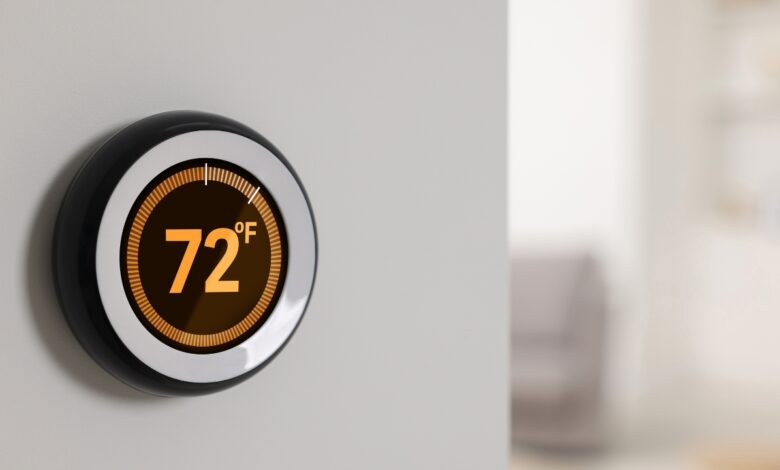
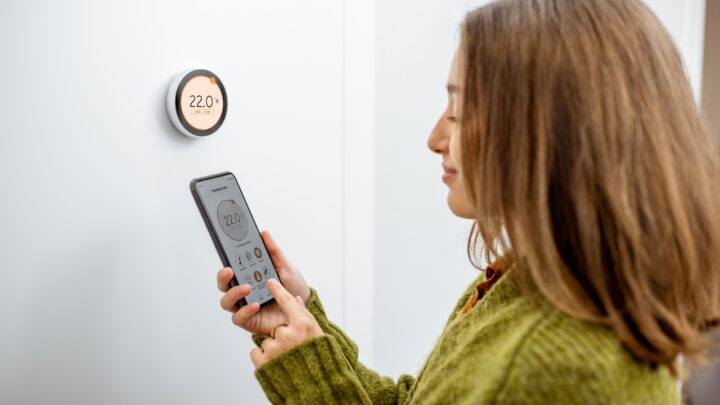
Smart thermostats can help renters control heating and cooling more easily through Wi-Fi, smartphone apps, schedules, remote control, sensors, and geofencing.
Windermere notes that these features can make a rental feel more comfortable and attractive to tenants, while ENERGY STAR-labeled smart thermostats have been independently tested to deliver energy savings.
The main renter concerns are still practical: getting landlord approval, checking HVAC compatibility, estimating savings, understanding upfront cost, and avoiding lease or deposit problems.
For landlords, smart thermostats are also appealing because they can improve tenant experience while giving owners better visibility and control over heating and cooling, especially during vacancies.
Let’s talk about it.
Can Renters Install a Smart Thermostat?

Renters should check the lease first because thermostat replacement may count as an alteration to the property.
Even if the change seems small, it can still affect wiring, wall fixtures, or building systems that technically belong to the landlord.
Renters usually need permission before installing a device that involves screws and HVAC wiring, so they should contact the landlord or property manager before buying or installing one.
Getting approval in writing is best because it avoids confusion later about who approved the change and what must happen when the renter moves out.
The thermostat must be compatible with the rental’s HVAC system; older buildings may have heating and cooling systems that need modifications before smart thermostats will work properly. Renters should check the thermostat brand’s compatibility tool or installation guide before purchasing, especially if the current thermostat has unusual wiring or controls more than one heating or cooling function. However, older properties may have outdated HVAC systems that are not compatible without added modifications, so compatibility should be checked before purchase. If the system needs extra wiring, a C-wire adapter, or changes inside the HVAC unit, the renter should not make those changes without the landlord’s written approval. Taking a photo of the wiring is an important step. Check whether the system needs a C-wire or power adapter; some smart thermostats need constant power to run Wi-Fi and app features. Avoid drilling, cutting wires, or making permanent changes unless the landlord gives written approval. Consider professional installation if the rental has older equipment, unusual wiring, unclear labels, no C-wire, or if the renter is not comfortable working with thermostat wiring. Landlords may also need to think about tenant tech comfort, maintenance support, troubleshooting, and battery replacement. Tenants who are less comfortable with technology may not use smart thermostat features effectively, which can reduce the expected benefits. Stevens Realty also identifies upfront cost as a practical issue, noting that popular smart thermostat models can range from about $95 to $220 per unit before any additional installation or support costs. Smart thermostats can reduce waste through schedules, remote control, geofencing, occupancy sensing, weather-based adjustments, and automatic temperature changes. Windermere notes that ENERGY STAR-labeled smart thermostats are independently tested to deliver energy savings. ENERGY STAR’s smart thermostat FAQ says average savings are about 8% of heating and cooling bills, or about $50 per year, and it also notes that heating and cooling can make up almost half of a typical U.S. household’s annual energy bill. Smart thermostats can benefit both renters and landlords. Here’s what tenants need to know to start saving money. https://t.co/ZEEJfSE1Zr — CNET (@CNET) February 7, 2026 CNET reports that Google Nest estimates average savings of about $140 per year, while Ecobee’s higher-end estimate is about $250 per year, though actual savings depend on climate, insulation, energy use, HVAC system type, and utility costs. Google’s current Nest savings materials also frame savings as potentially up to 31% on heating and cooling bills when compared with a constant 72°F baseline, while Ecobee states that its North American customers saved up to 26% on heating and cooling costs based on internal analysis. Renters who pay their own utilities benefit most directly from lower monthly bills. For landlords, energy savings may matter, especially when the landlord pays utilities, but the bigger value is often vacancy control, HVAC awareness, system-strain reduction, and easier property oversight. If tenants pay their own utilities, direct bill savings may mostly benefit renters, so landlords may need to justify the upgrade through tenant appeal, retention, easier oversight, or possible rent premium rather than direct utility savings. Savings are not guaranteed; the best results come when renters actually use schedules, app controls, geofencing, occupancy features, and energy-saving modes consistently. Unauthorized installation may violate the lease or risk the security deposit. Written permission should clarify the ownership, access, maintenance, and move-out rules before any device is installed: Landlords may hesitate because of compatibility issues, maintenance needs, tenant tech confusion, upfront costs, unclear utility-bill benefits, or privacy concerns. Smart thermostats may collect and transmit usage information, so landlords should be transparent about data practices and make sure devices have adequate security measures. Renters should reset the device, remove personal account information, disconnect app access, transfer ownership if required, and reinstall the original thermostat before leaving, unless the landlord gives written permission to leave the smart thermostat in place. Smart thermostats can be useful for renters when they are allowed, compatible, reversible, secure, and likely to save enough money or improve comfort enough to justify the cost. For renters, the safest path is to check the lease, get written permission, verify wiring compatibility, keep the original thermostat, and use the energy-saving features consistently. For landlords, the strongest case is a combination of tenant appeal, easier vacant-unit control, HVAC oversight, and responsible data/privacy practices rather than savings alone.
Installation Considerations
Basic installation often involves turning off power, removing the old thermostat, photographing the wire connections, and attaching the new thermostat the same way.
Energy Savings
Lease and Landlord Limits
Summary
