
Mocktails With No Added Sugar – Citrus, Herbs, Tea, Soda Water, and Bitters
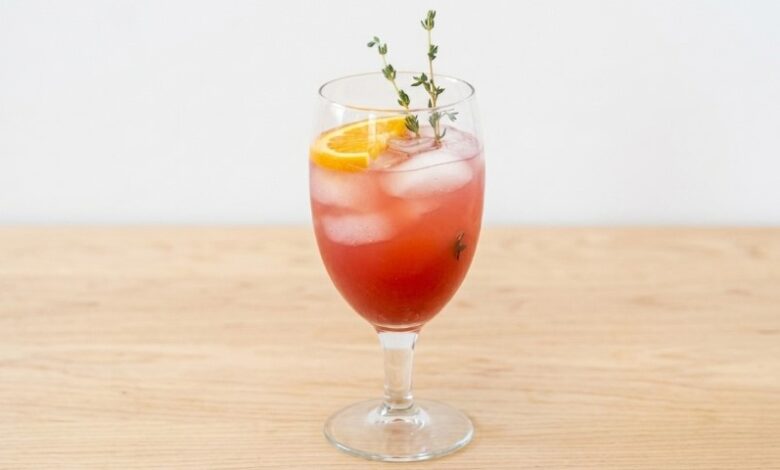
Many mocktails lean too heavily on sugary juices, syrups, or soda, which can make them taste more like dessert than a clean, refreshing drink.
Better no-added-sugar mocktails use fruit, citrus zest, herbs, tea, soda water, and other natural flavor boosters to create brightness and balance without refined sugar.
Main building blocks include citrus, herbs, tea, soda water, and bitters.
Used together, they create refreshing drinks with structure, aroma, color, and a more adult flavor profile.
Key Ingredients
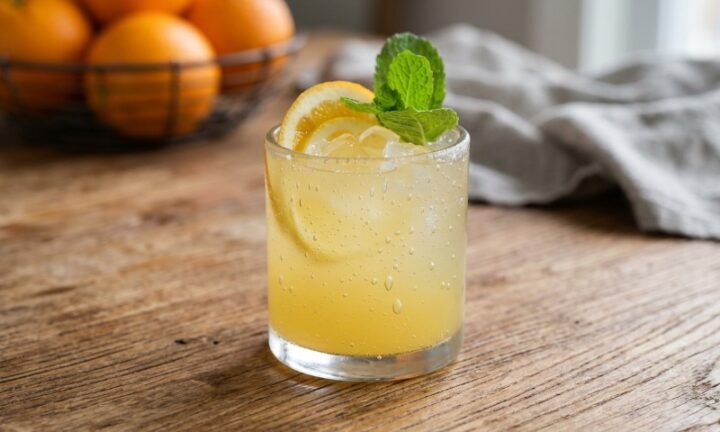
Great no-added-sugar mocktails rely on ingredients that do more than add sweetness.
Citrus brings acidity, herbs add fragrance, tea gives body, soda water lifts the drink, and bitters create a sharper finish.
Choosing the right ingredients also makes the drink easier to adjust.
More citrus can sharpen a flat drink, tea can add weight, soda water can lighten a strong base, and herbs can make a simple glass feel fresher.
Bitters and salt can fine-tune the final taste in small amounts.
Citrus
Citrus adds brightness, acidity, and freshness. Lemon, lime, grapefruit, orange, blood orange, and yuzu all work well in no-added-sugar mocktails.
Juice and peel both matter. Citrus juice adds acidity, while peel or zest releases fragrant oils that improve aroma and make the drink smell more finished.
A strip of lemon peel, a twist of orange zest, or a small piece of grapefruit peel can make a simple sparkling drink taste more crafted.
Grapefruit works especially well in lower-sugar mocktails because its natural bitterness helps balance the drink.
That bitterness keeps citrus drinks crisp and refreshing without needing syrup.
A paloma-style mocktail can use grapefruit juice, lime juice, a pinch of salt, and soda water.
Salt can cut sweetness, sharpen citrus, and make grapefruit taste brighter. Use only a small pinch so the drink tastes crisp, not salty.
Herbs
Herbs can change a drink before the first sip because aroma shapes flavor.
A few fresh leaves or a small sprig can make citrus, tea, and soda water feel more complete without adding sugar.
Best results come through light handling, since bruised herbs can turn bitter.
Mint, basil, rosemary, thyme, sage, and lavender are strong choices for mocktails. Mint gives drinks a cool, clean finish.
Basil works well with orange, lemon, lime, and berries. Rosemary pairs nicely with grapefruit, lemon, and sparkling water.
Thyme and sage add a savory note, while lavender can add a floral aroma when used carefully.
Gentle muddling is important. Press citrus first to release juice and oils, then add herbs briefly so they become fragrant without turning bitter.
Hard muddling can bruise herbs and create grassy or harsh flavors.
Ginger and spices can also help sugar-free drinks taste more layered.
Fresh ginger, cinnamon, cardamom, or black pepper can add warmth and structure without sweeteners.
Tea
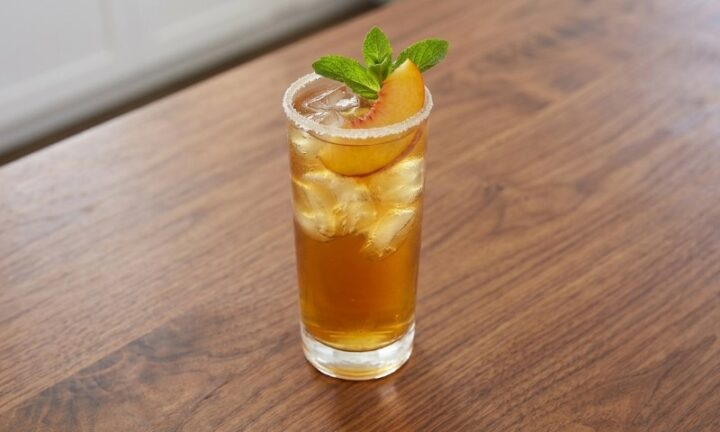
Tea gives mocktails more weight, color, and complexity. It can make a drink feel closer to a cocktail because tannins, tartness, and herbal notes add structure.
Strong chilled tea also helps balance citrus and bubbles without syrup.
Hibiscus, green tea, black tea, Earl Grey, mint tea, and chamomile can all work as mocktail bases.
Hibiscus tea is especially useful because it is tart, deep red, and pairs well with citrus and soda water. It can create a colorful spritz with a cranberry-like bite, even without added sugar.
Green tea adds a light, grassy taste that works well with lemon, mint, cucumber, or lime.
Black tea gives stronger body and tannic bitterness, making it useful for highball-style mocktails.
Earl Grey adds citrusy bergamot aroma, while chamomile gives a softer floral base.
Brew tea stronger than usual, chill it fully, then combine it with citrus and sparkling water. Strong tea keeps its flavor after ice and soda water dilute the drink.
Soda Water
Bubbles can make a no-added-sugar mocktail feel brighter and more refreshing.
Soda water also helps stretch stronger flavors, soften acidity, and create a clean finish. Timing matters because fizz fades quickly after pouring.
Soda water adds bubbles, lightness, and a refreshing finish.
Club soda, sparkling water, and seltzer can all work, though club soda may add a slightly mineral taste.
Add soda water last so the drink stays fizzy.
Build flavor first with citrus, herbs, tea, purée, or bitters, then finish with sparkling water right before drinking.
For parties, make the base ahead with citrus, tea, herbs, and bitters. Keep it cold in a pitcher, then add soda water to each glass so the batch does not go flat.
Bitters
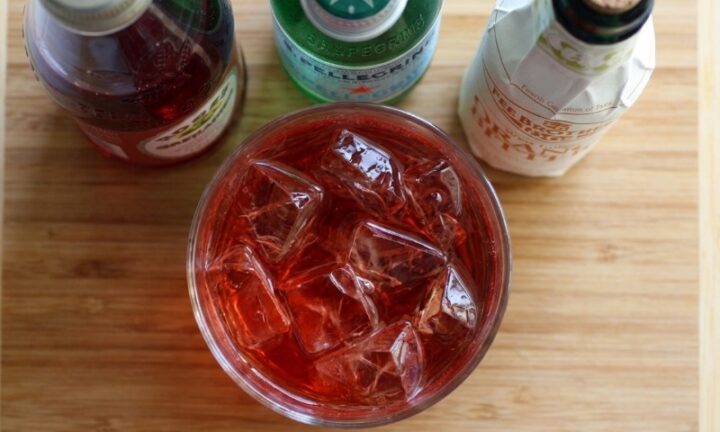
Bitters can make a mocktail taste more grown-up with only a few dashes.
Small amounts add bitterness, spice, citrus, or floral notes that help balance natural fruit sweetness and sharp acidity.
Aromatic bitters add warm spice notes.
Citrus bitters can boost lemon, lime, orange, or grapefruit. Floral bitters can work with hibiscus, lavender, chamomile, or basil.
Use bitters sparingly. One to three dashes is usually enough. Too much can overpower citrus and herbs.
Choose alcohol-free bitters when the drink needs to be fully alcohol-free.
Some bitters contain alcohol, even though they are used in tiny amounts.
Basic No-Added-Sugar Mocktail Formula
A reliable formula makes no-added-sugar mocktails easier to build and adjust.
Start with acidity, add aroma, choose a body-building base such as tea or soda water, then finish with ice, bubbles, garnish, and optional bitters.
Use this simple structure as a starting point:
- ½ to 1 ounce citrus juice.
- Fresh herbs or citrus peel.
- Chilled tea, soda water, or both.
- Optional: 1 to 3 dashes bitters.
- Optional: a pinch of salt for grapefruit, watermelon, or lime-based drinks.
- Garnish with citrus peel, a citrus wheel, or the same herb used in the drink.
For a shaken drink, combine citrus, tea, herbs, and ice, then shake for 10 to 15 seconds.
Shaking chills and aerates the drink, giving it a lighter texture and a subtle froth.
Strain into a glass with fresh ice, then top with soda water.
For a built drink, add citrus juice, herbs, tea, and bitters to a glass with ice. Stir briefly, then top with soda water. Stir once more with a light hand so the bubbles stay lively.
Simple Recipe Ideas
Simple recipes help show how citrus, herbs, tea, soda water, and bitters can work in different ways.
Some drinks lean crisp and herbal, while others use tea for body or grapefruit for bitterness.
Lime Mint Soda
Lime Mint Soda is crisp, clean, and simple. Lime gives sharp acidity, mint adds a cooling aroma, and sparkling water keeps the drink light.
Ingredients:
- ½ to 1 ounce fresh lime juice.
- 6 to 8 fresh mint leaves.
- Club soda or sparkling water.
- Optional: 1 to 2 dashes bitters.
Instructions:
- Add lime juice to a glass.
- Gently press mint leaves just enough to release aroma.
- Add ice.
- Top with club soda or sparkling water.
- Add bitters if using.
- Stir lightly and garnish with mint or a lime wheel.
Grapefruit Rosemary Spritz
Grapefruit Rosemary Spritz works well because grapefruit brings both citrus flavor and natural bitterness.
Lime sharpens the drink, rosemary adds a piney aroma, and salt makes the citrus taste brighter.
Ingredients:
- 2 to 3 ounces fresh grapefruit juice.
- ½ ounce fresh lime juice.
- 1 small rosemary sprig.
- Soda water.
- Small pinch of salt.
Instructions:
- Add grapefruit juice, lime juice, and a tiny pinch of salt to a glass.
- Gently press the rosemary sprig between your fingers to release aroma.
- Add ice.
- Top with soda water.
- Stir lightly.
- Garnish with rosemary and grapefruit peel.
Hibiscus Citrus Fizz
View this post on Instagram
Hibiscus Citrus Fizz is tart, bright, and colorful.
Strong chilled hibiscus tea gives the drink body and color, while citrus and soda water keep it crisp.
Ingredients:
- 3 ounces chilled strong hibiscus tea.
- ½ to 1 ounce lemon or lime juice.
- Soda water.
- Optional: 1 to 2 dashes orange or aromatic bitters.
Instructions:
- Brew hibiscus tea strong and chill it fully.
- Add chilled hibiscus tea and citrus juice to a glass with ice.
- Add bitters if using.
- Top with soda water.
- Stir gently.
- Garnish with a citrus wheel or peel.
For a pitcher version, combine chilled hibiscus tea, citrus juice, and bitters in advance. Add soda water to each glass right before drinking.
Black Tea Lemon Highball
Black Tea Lemon Highball has body, tannic bitterness, and a crisp finish.
Black tea gives structure without added sugar, while lemon adds brightness and soda water adds lift.
Ingredients:
- 3 ounces chilled strong black tea.
- ½ to 1 ounce fresh lemon juice.
- Soda water.
- 1 to 3 dashes aromatic bitters.
- Lemon peel garnish.
Instructions:
- Brew black tea stronger than usual and chill it.
- Add chilled tea, lemon juice, and bitters to a glass with ice.
- Top with soda water.
- Stir lightly.
- Garnish with lemon peel.
Orange Basil Cooler
Orange Basil Cooler balances natural citrus sweetness with fresh herbal aroma.
Orange juice adds fruit flavor, basil keeps the drink fresh, and club soda lightens the finish.
Ingredients:
- 2 ounces fresh orange juice.
- 4 to 6 basil leaves.
- Club soda.
- Optional: ½ ounce lemon or lime juice for extra acidity.
Instructions:
- Add orange juice to a glass.
- Add lemon or lime juice if using.
- Gently press basil leaves to release aroma.
- Add ice.
- Top with club soda.
- Stir lightly.
- Garnish with basil and an orange wheel.
Closing Thoughts
No-added-sugar mocktails can still taste bright, balanced, and refreshing when each ingredient has a purpose.
Citrus adds acidity, herbs bring aroma, tea gives body, soda water adds fizz, and bitters create depth.
Using these simple building blocks helps replace syrup and sweet mixers with flavor, structure, and freshness.
With the right balance of sour, bitter, herbal, and fizzy elements, mocktails can feel crisp and satisfying without added sugar.
