
Pool Heating for Small Pools – Solar, Electric, and Heat Pump Costs Compared
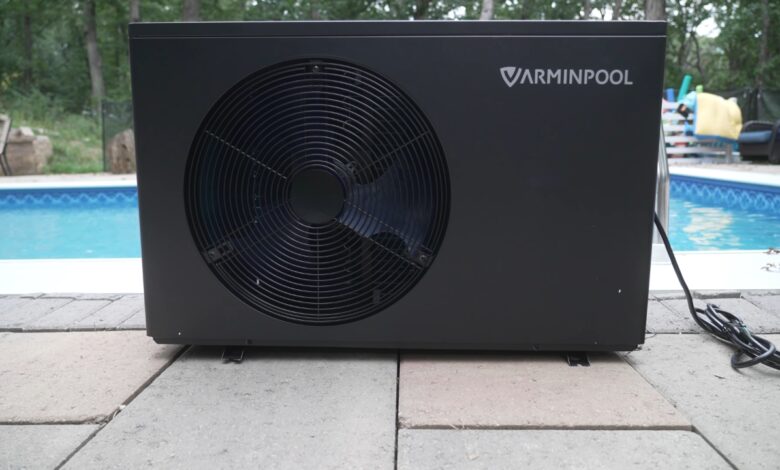
Heating a small pool is not the same decision as heating a large backyard pool. A plunge pool, spool, cocktail pool, or compact above-ground pool has less water to warm, so the right heater can feel efficient and affordable.
The wrong one can turn a small pool into a surprisingly expensive monthly bill.
The main choices are solar pool heating, electric resistance heating, and an electric heat pump. All three can work, but they suit different owners. Solar is cheapest to run when the yard has good sun.
Electric resistance is simple but costly for regular heating. A heat pump costs more upfront, but usually wins on running costs if the pool is used several times a week.
The Department of Energy guide to heat pump pool heaters says heat pumps usually cost more than gas heaters to buy, but have much lower operating costs because they move heat from the air into the water.
The same logic is why heat pumps are often a better long-term fit for small pools than standard electric resistance heaters.
Quick Cost Comparison

The table below uses common price ranges for small residential pools.
Actual cost depends on pool volume, location, electrical work, roof or yard layout, pump setup, climate, and whether the pool already has plumbing ready for a heater.
Heating Option
Typical Installed Cost
Typical Monthly Running Cost
Best Fit
Main Tradeoff
Solar Pool Heating
$2,500 to $4,000
Usually very low, mostly pump electricity
Sunny climates, seasonal use, patient owners
Slower heating and less control on cloudy days
Electric Resistance Heater
$1,000 to $2,500
$175 to $500 or more with regular use
Very small pools, spas, and occasional short heating
High electricity use
Heat Pump Pool Heater
$3,000 to $8,000
Often $50 to $150 in mild or warm weather
Regular swimmers, plunge pools, and longer season use
Higher upfront cost and slower heating than gas
The Department of Energy’s guide to solar pool heaters puts many solar pool heating systems at $2,500 to $4,000 to buy and install, with payback often ranging from 1 to 7 years, depending on local fuel costs and solar conditions.
For heat pumps, the Department of Energy notes that performance depends on outdoor air temperature.
Heat pump pool heaters work best when air temperatures stay above roughly 45°F to 50°F. Below that range, they lose efficiency and cost more to run.
What Counts As A Small Pool?

For heating decisions, a small pool usually means a pool with less water volume, not only a smaller footprint.
Many plunge pools, spools, and compact backyard pools sit somewhere between 2,000 and 8,000 gallons. Some small above-ground pools are even lower.
That volume changes the heating math. Water is heavy, and raising the water temperature takes real energy even in a small pool. A useful rule is:
For example, warming a 5,000-gallon pool by 10°F takes about 417,000 BTUs before heat loss. A heater does not deliver that instantly in real outdoor conditions because wind, evaporation, shade, and nighttime air all pull heat back out.
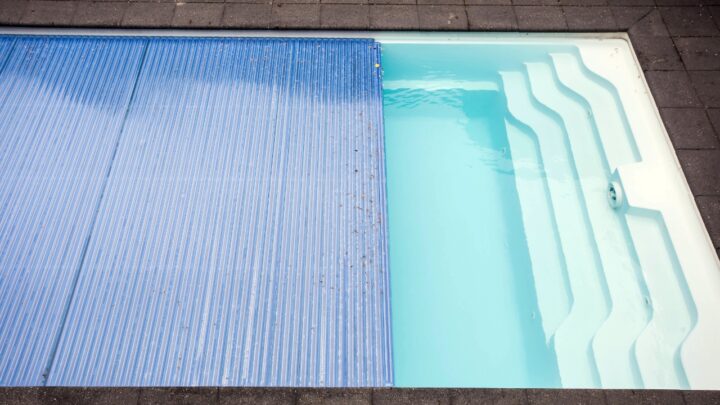
That is why a pool cover can change the entire cost picture. The Department of Energy pool cover guidance says evaporation is by far the largest source of swimming pool energy loss, and covers can reduce the size and cost of heating systems, including solar systems.
Solar Pool Heating: Low Running Cost, Slower Results
Solar heating is the cheapest system to run once installed. The panels use the sun, and the existing pool pump or a compatible pump moves water through the collectors.
For a small pool in a sunny area, solar can be the most economical way to add warmth through the season.
The tradeoff is control. Solar heating works best when the sun is available, and the collector area is sized well. It is not the system to choose if the goal is to heat the pool fast on a cloudy Friday night before guests arrive Saturday morning.
Solar works best when the pool is used in a predictable pattern: afternoons, weekends, warm-season swimming, and owners who are comfortable letting weather affect temperature. A cover helps solar perform better because it keeps more heat in the water overnight.
As we explained in our guide to swimming pool upgrade ideas, solar heating can be a practical improvement when the yard or roof has enough sun exposure. For a shaded yard, the numbers change fast.
Solar Heating Works Best When
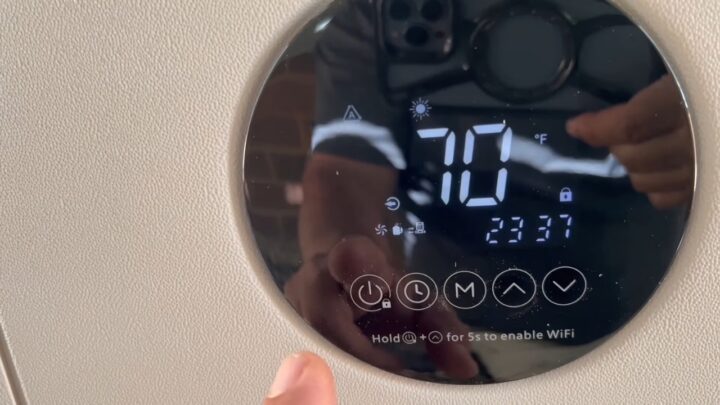
Electric resistance heaters are easy to understand. They use electricity to create heat directly, then transfer that heat to the water. They can be compact, straightforward, and cheaper to install than a heat pump. The problem is the running cost. Electric resistance heating can be fine for a tiny pool, spa-like setup, or short, occasional use. It becomes expensive when used to hold a pool at a comfortable temperature every day. For a small plunge pool, electric resistance may work if the pool is covered, the target temperature is modest, and the heater runs only before planned use. For daily swimming, the monthly electric bill can make the lower purchase price look less appealing. A heat pump is usually the best middle path for small pools that are used often. It costs more than electric resistance equipment at the start, but it usually costs much less to run because it moves heat from the surrounding air instead of generating heat directly. Heat pumps are not instant heaters. They work steadily. That makes them better for keeping a small pool comfortable through a season than for emergency warmups. If the pool is used several times a week, that slower but efficient heating pattern becomes a benefit. Climate matters. Heat pumps perform best in mild and warm weather. In cooler climates, they can still work during shoulder months, but efficiency drops as outdoor air gets colder. Solar usually has the lowest operating cost, but only if the site has enough sun and enough collector area. Electric resistance is usually the cheapest to install but the most expensive to run. A heat pump often gives the best total value for owners who use the pool regularly. For many small-pool owners, the real contest is not solar versus heat pump. It is a heat pump versus electric resistance. If the pool will be heated every week through the season, the heat pump usually deserves a serious look. A heater adds warmth. A cover keeps warmth from leaving. For small pools, that difference is huge. Evaporation pulls heat out of pool water faster than many owners expect. Wind, cool nights, and dry air make the loss worse. A cover cuts that loss and helps any heating system work less. We covered the broader owner side of this in our article on what to know before owning a pool, where covers, efficient equipment, and regular care all come up as cost-control tools. Heating should be treated the same way. The system and the habits around it both decide the bill. Take a 5,000-gallon plunge pool that the owner wants to raise by 10°F. The water needs roughly 417,000 BTUs before losses. How that feels in real life depends on the heater type. The owner who wants one warm swim on Saturday may think differently from the owner who wants the pool ready every evening. Frequency is the factor that usually decides the best heating method. Equipment price is only part of the final bill. Installation can change the total quickly. Ask installers for a full estimate, not only a unit price. A cheap heater can become less attractive if the electrical work or plumbing costs are higher than expected. For small pools, solar heating is cheapest to run, electric resistance is simplest but costly with regular use, and a heat pump is usually the best balance for owners who want reliable warmth through the season. Before buying any heater, check pool volume, sun exposure, local energy prices, electrical capacity, and whether a cover is already part of the setup. A small pool is easier to heat than a large one, but only when the system matches how the pool will actually be used.
Electric Resistance Heating: Simple, But Expensive For Daily Use
Electric Resistance Works Best When
Heat Pump Pool Heating: Best Balance For Regular Use
Heat Pumps Work Best When
Which Heating Method Is Cheapest Over Time?
Owner Situation
Best Choice
Reason
Sunny yard, seasonal use, low monthly cost priority
Solar
Higher setup cost, very low running cost
Very small pool used only on weekends
Electric resistance or heat pump
Depends on local electricity cost and warm-up expectations
Plunge pool is used several times a week
Heat pump
Lower running cost than resistance heat
Shaded yard with no room for panels
Heat pump
Solar performance would likely be limited
Rental property or guest pool
Heat pump with clear temperature controls
More predictable than solar and cheaper to run than resistance heat
Quick, occasional heating only
Electric resistance
Lower upfront cost may be enough for limited use
Why A Pool Cover May Save More Than A Bigger Heater
Small Pool Heating Cost Example
Heater Type
How It Feels In Use
Cost Lesson
Solar
Works gradually during sunny periods
Cheap to run, but not fully controllable
Electric Resistance
Direct heat is useful for smaller water volumes
Easy to install, expensive if used for long daily cycles
Heat Pump
Steady heating over time
Better for maintaining temperature through the week
Installation Details That Change The Price
Best Choice For Each Type Of Small Pool
Small Pool Type
Best Heating Option
Why
Plunge Pool
Heat pump or solar
Heat pump for regular use, solar for sunny sites with patient owners
Spool
Heat pump or electric resistance
Depends on whether it is used like a pool or more like a spa
Small Above-Ground Pool
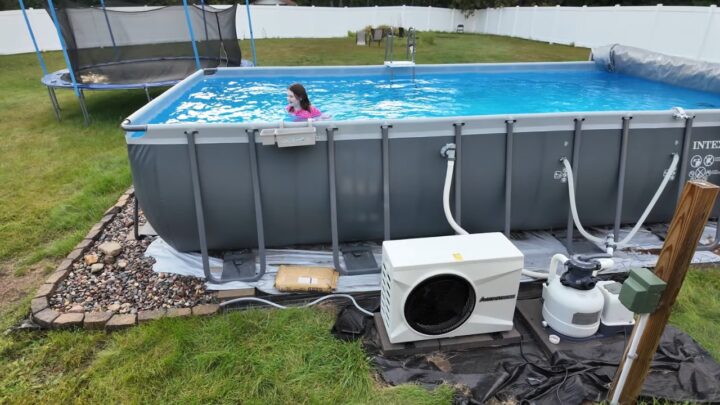
Solar cover, solar mat, small heat pump
Lower-cost heating often fits better than large installed systems
Indoor Small Pool
An electric or heat pump system designed for indoor conditions
Humidity control and ventilation matter as much as heating
Vacation Rental Pool
Heat pump
Predictable, efficient, and easier to manage with temperature limits
FAQ About Pool Heating For Small Pools
Bottom Line
