
Induction Cooktop vs Gas Stove – Running Costs, Safety, and Cooking Speed
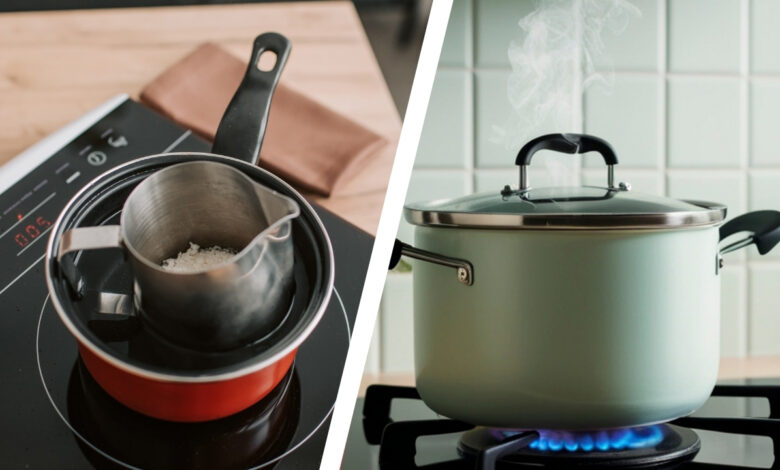
Kitchen buyers often compare gas and induction because each option affects cost, safety, and cooking speed in a different way.
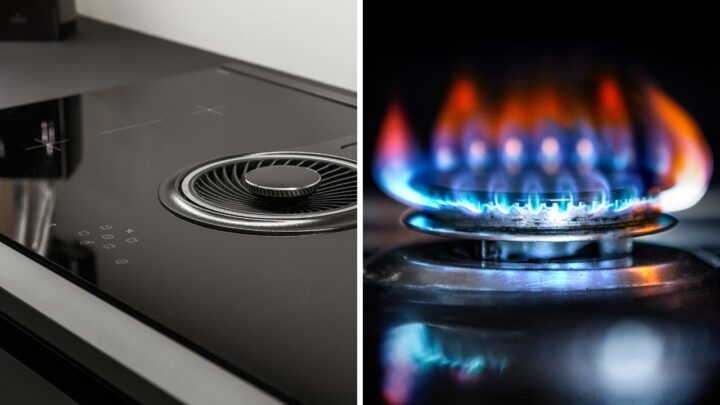
Gas uses LPG, PNG, or natural gas to create an open flame. Induction uses electromagnetic coils to heat compatible cookware directly.
Induction usually wins on speed, efficiency, and safety. Gas can still make sense for homes with an existing gas line, low fuel prices, frequent power outages, or cooking styles that need open flame. Gas creates heat through combustion below the pan, while induction creates heat inside compatible cookware. That difference affects efficiency, kitchen heat, safety, and speed. Gas cooking starts with combustion. A burner mixes fuel and air, then produces an open flame beneath the pan. Heat touches the cookware directly, but much of it also moves into the room instead of the food. Gas flame temperature can reach about 1,960°C, or 3,560°F. High temperature does not mean high efficiency, because a large share of that heat misses the pan. Pan size, burner size, flame height, and cookware material all affect how much energy reaches the food. Gas still has strengths for certain techniques. Visible flame helps cooks judge heat quickly. Open flame also supports tadka, charring, roti finishing, wok cooking, and flame roasting. Induction cooking uses magnetism instead of flame. Alternating magnetic fields, usually in the 20 to 100 kHz range, create currents in ferromagnetic cookware. Heat forms inside the pan base, so less energy is wasted on air and surrounding surfaces. Compatible cookware matters. Induction works only with a magnetic base, so older pans may need replacement. A magnet test gives a quick answer: a pan should work when a magnet sticks firmly to its base. Aluminum, glass, and ceramic pans usually fail unless they include an induction-ready base. Cookware quality also affects speed, heat distribution, and running cost. Energy bills tell only part of the cost story. A fair comparison needs appliance price, installation work, fuel or electricity rates, cookware needs, supply charges, and cooking frequency. Induction often uses less energy, but gas can still cost less in places with low fuel prices. Induction usually uses less total energy for the same cooking task. Direct pan heating reduces waste, especially during boiling and rapid preheating. Gas may look powerful because the flame is visible, but visible heat is not the same as useful heat. Efficiency data shows a clear gap: Induction’s advantage comes down to heat placement. Energy is created inside the pan base, not around it. Gas loses heat around the sides of the pan, especially when the flame is too wide or the pan is too small. Energy prices can change the final cost comparison. Gas can cost less per unit than electricity in some markets, so a gas hob may cost less day to day, even with lower efficiency. In other homes, induction’s lower energy waste can narrow the gap or cut operating costs. Local prices matter more than broad averages. Solar power can also improve the case for induction, especially in an all-electric home. Cutting gas entirely can add value when it removes annual supply charges. Initial cost is often the biggest obstacle to induction. A home with a gas line already in place may replace a gas stove more cheaply than installing a full induction cooktop. Induction can require a higher appliance price, electrical upgrades, a dedicated circuit, and new cookware. Important installation figures include: A low-current induction cooktop under 5 kW may work on existing 20A wiring. That can reduce upgrade cost, but cooking settings may be limited when multiple zones run together. A full cost comparison should include costs that do not show up in the appliance price. Gas users may pay supply charges even when cooking use is low. Maintenance, ventilation, and indoor air quality concerns can also add indirect costs. Induction users may need to buy compatible pans, pay for electrical work, and accept higher appliance prices at purchase. Frequent cooking can help recover those costs faster. People cooking about 1 to 2 hours daily are more likely to benefit because efficiency savings build faster. Cost judgment should include the use pattern. Light cooking favors low upfront cost. Heavy cooking favors efficient heat transfer and lower wasted energy. A practical choice depends on the home, not only the cooktop. Induction often fits better when: Gas can make financial sense when: Running cost is not only a fuel-price question. Efficiency, installation, cookware, supply charges, and cooking frequency all shape the final number. Safety differs because gas and induction create heat in different ways. Gas adds flame, hot burner parts, and combustion gases. Induction removes combustion at the cooktop and relies on cookware detection, controlled power, and residual-heat warnings. Gas uses open flame, so fire risk is built into the cooking method. Towels, packaging, loose clothing, grease, and food spills can ignite if they contact flame or very hot burner parts. Gas grates and surrounding surfaces also stay hot after cooking. Induction removes open flame. Heat is generated in the pan base, which keeps the cooking area cooler than a gas burner during use. Glass can still become hot because the pan transfers heat back into it, but the main heat source is not exposed fire. Safety features are one reason many families choose induction. Many units include controls that reduce risk during busy cooking or after a pan is removed. Pan detection is especially useful because many induction zones will not heat without compatible cookware. Child locks reduce accidental activation. Timers and auto shut-off can reduce risk when a cook gets distracted. Gas cooking adds leak and combustion concerns. Poor burner setup or weak ventilation can increase exposure to pollutants inside the kitchen. Food cooking creates smoke and particles, too, but gas adds combustion byproducts on top of normal cooking emissions. Measured or estimated gas-cooking pollutant levels include: Ventilation lowers exposure but does not erase the source. A vented range hood is better than a recirculating hood for removing combustion byproducts. Indoor air quality matters most in small homes, apartments, and kitchens with weak ventilation. Nitrogen dioxide, formaldehyde, and fine particles can enter the airways and may affect respiratory health. Cooking with gas indoors has been linked to 12.7 percent of all childhood asthma cases in the United States, a new study has found, comparing its effect on health to that of second-hand smoking.https://t.co/8ZHiRLU7ae by @DanielLawler — AFP News Agency (@AFP) January 6, 2023 Gas cooktops have been linked with about 13% of the childhood asthma burden in one assessment. A broader analysis reported a 42% higher childhood asthma risk in homes with gas stoves compared with electric cooking. Good ventilation is especially important during high-heat cooking, long simmering, and multi-burner use. Induction is generally safer for families, apartments, and small kitchens. No open flame, lower cooking-area heat, pan detection, child locks, and no combustion during cooking give it a clear safety advantage. Gas can be used safely, but it requires more active management. Flame control, leak prevention, burner maintenance, and ventilation all matter. Induction is usually the stronger long-term choice for modern kitchens. It reaches about 84% to 90% efficiency, cooks faster in many boiling and high-heat tests, and avoids open flame during use. Gas can still be the better fit when upfront cost matters more than efficiency. Existing gas connections, low fuel prices, outage reliability, and flame-based cooking can make gas practical.
How Induction and Gas Cooking Work
Cooking performance starts with how heat is made and transferred.Gas Stove Basics
Induction Cooktop Basics
Running Costs – Which Costs Less to Use?

Energy Efficiency Comparison
Cooking type
Efficiency
Induction
About 84 to 90%
Gas
About 32 to 40% in one estimate
Electric resistance
About 65 to 75%
Gas
About 40 to 60% in broader estimates
Induction
Up to 90% energy transfer in some estimates
Fuel Price versus Energy Use
Installation and Upfront Costs
Cost or requirement
Details
Electrical connection
20A, 32A, or 42A may be required
Hard-wiring
A licensed electrician is required when no suitable connection exists
Dedicated circuit and safety switch
About $600 to $1200
Switchboard or mains upgrade
About $3000 to $9000
Removing the old gas connection
About $250 to $500
Installed induction cooktops
About $799 to $5699 in one tested market
Portable induction cooktops
About $49 to $1858
Hidden and Long-Term Costs
Best Value by Situation
Flame, Burns, Gas Leaks, and Indoor Air
Fire and Burn Risk
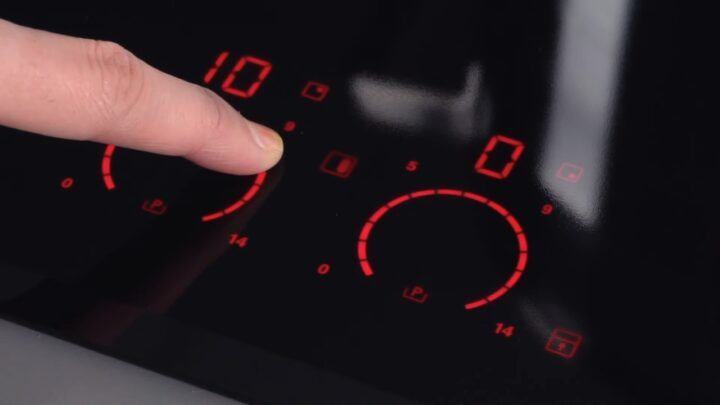
Auto Shut-Off and Child Safety
Gas Leaks and Combustion Byproducts
Pollutant
Measured or estimated level
NO₂
25 to 40 ppb per burner hour
CO
5 to 15 ppm continuous
PM2.5
10 to 50 μg/m³ spikes during high-heat cooking
Benzene
3 to 7 μg/m³
Formaldehyde
20 to 60 μg/m³
Health and Indoor Air Quality
Safety Verdict
Summary
