
The Real Cost of Convenience: Comparing Modern Digital Payment Methods
Paying for things used to mean counting cash, signing a receipt, or waiting for a card reader to finish its slow beep. Today a single tap, a phone scan, or a one-click checkout can settle a bill in seconds. That speed is appealing, but it also changes how people think about money. When paying feels effortless, it is easy to lose track of what is actually being spent, who is charging for the service, and what happens when something goes wrong.
This guide compares the most common digital payment methods available to consumers today, with a focus on the hidden costs that often get overlooked at checkout.
Contactless Cards and Mobile Wallets
Contactless cards and mobile wallets are the most familiar form of digital payment. For the shopper, the cost is usually zero. Most debit and credit cards carry no per-transaction fee for the buyer, and the merchant absorbs the processing charge. The real cost shows up elsewhere. Credit cards can carry interest rates that quickly outweigh any rewards, and a tap is psychologically lighter than handing over paper bills, which makes overspending more likely.
Federal Reserve survey data points in the same direction. According to the Atlanta Fed’s Survey and Diary of Consumer Payment Choice, payment cards accounted for roughly two-thirds of consumer payments by number in 2025, and credit cards alone were used for more than a third. Convenience clearly wins, but the convenience is only free if the balance is paid in full each month.
Crypto Payments: Fast Settlement, Volatile Value
Cryptocurrency is often marketed as a faster and more borderless way to move money. Transfers can settle in minutes, and they do not depend on a traditional bank being open. The trade-off is volatility and a more complicated fee structure. Network fees vary with congestion, exchange spreads can be wide, and the value of a coin can shift significantly between the moment you buy and the moment you spend.
Some platforms that serve the online gambling sector have added crypto deposit options. Casinous, for example, explains how cryptocurrency can be used for casino banking at https://www.casinous.com/casino-banking/cryptocurrency/. Readers should treat any such page as a description of one provider’s process, not an endorsement, and should compare conversion rates, withdrawal times, and local rules before moving funds. Crypto payments can be legal and useful, but they also remove many of the protections people expect from bank cards, such as straightforward chargebacks.
QR Codes and Account-to-Account Payments
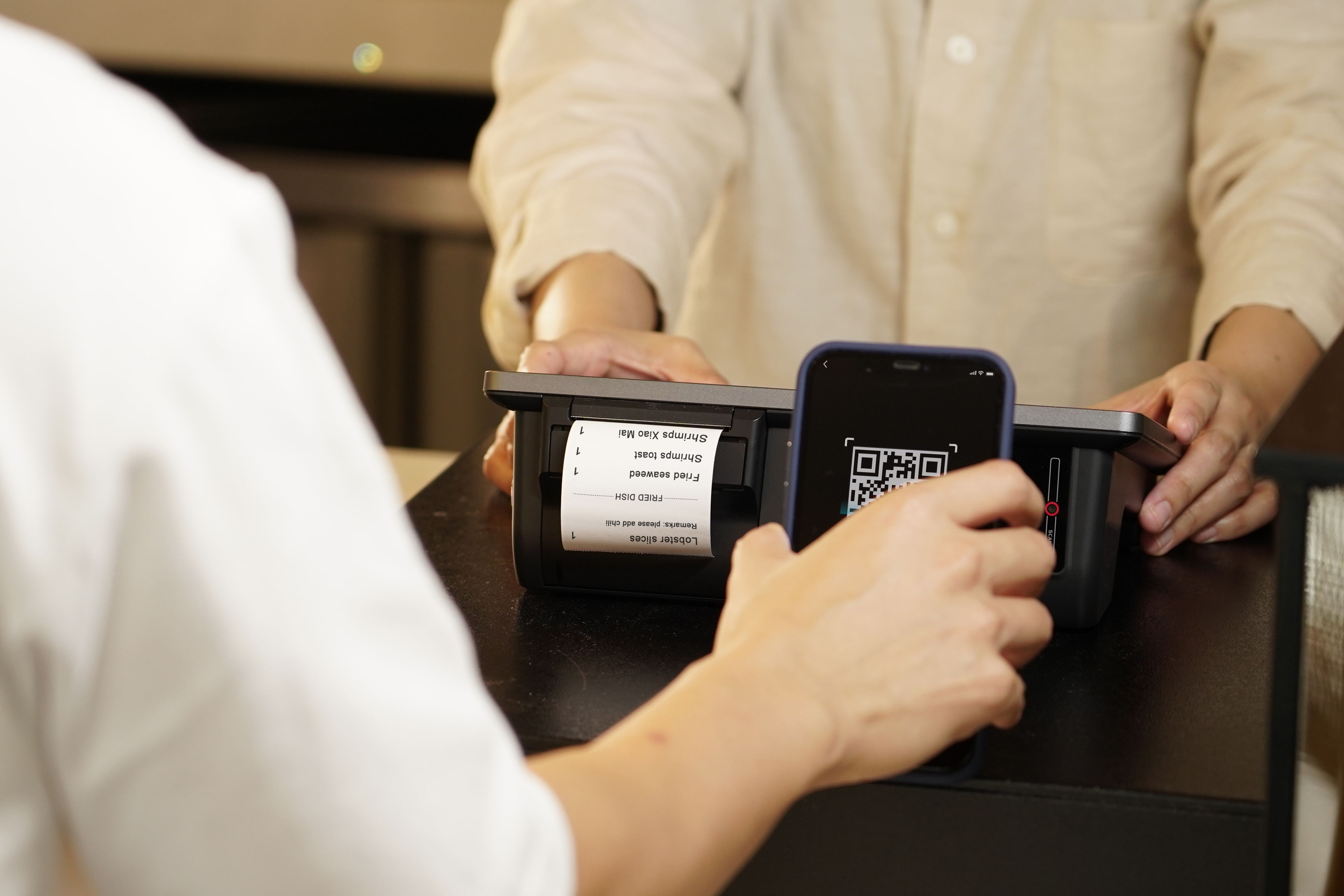
QR code payments and instant bank transfers have grown quickly in many countries. A customer scans a code, approves the amount in their banking app, and the money moves directly between accounts. Merchants often pay lower fees than they do on card transactions, and some of those savings may be passed on as discounts. For consumers, the main costs are less visible: a scam can be harder to reverse than a card dispute, and a payment approved in a hurry is still final.
Before using account-to-account payments regularly, check whether your bank offers any protection for authorized but mistaken payments. The rules differ widely by country and by provider.
Buy Now, Pay Later: Convenience With a Price Tag
Buy now, pay later (BNPL) services split a purchase into installments, often four payments over about six weeks, with no interest if every payment is on time. That sounds harmless, and for many shoppers it is. The problem is that the “free” part depends on perfect repayment. The U.S. Consumer Financial Protection Bureau has tracked how late fees, returns, and multiple concurrent loans shape the market; its research on the buy now, pay later market shows how these products have grown and how fee practices have changed over time.
The practical lesson is simple. A BNPL plan works best when it is treated as a fixed schedule of bills, not as extra spending power. Adding each installment to a budget at the time of purchase prevents the surprise of several overlapping payments due in the same week.
Budgeting in a Tap-to-Pay World
The most expensive part of any payment method is often the spending it encourages. Digital payments remove friction, and friction is one of the few natural brakes on impulse buying. Adding it back does not require giving up your phone. Turn on transaction alerts, review your statements weekly, and set a spending limit for each card or app. If a method makes it hard to see what you spent, that is a cost in itself.
No single payment method is the best for everyone. Cards offer protection and rewards for people who pay in full, bank transfers can be cheap and direct, crypto suits a narrow set of users willing to accept volatility, and BNPL can help with planned purchases when the schedule fits. Comparing the fees, protections, and habits behind each option will tell you more about its real price than the speed of the tap ever will.
