
How to Experience a City After Dark, Beyond the Tourist Spots
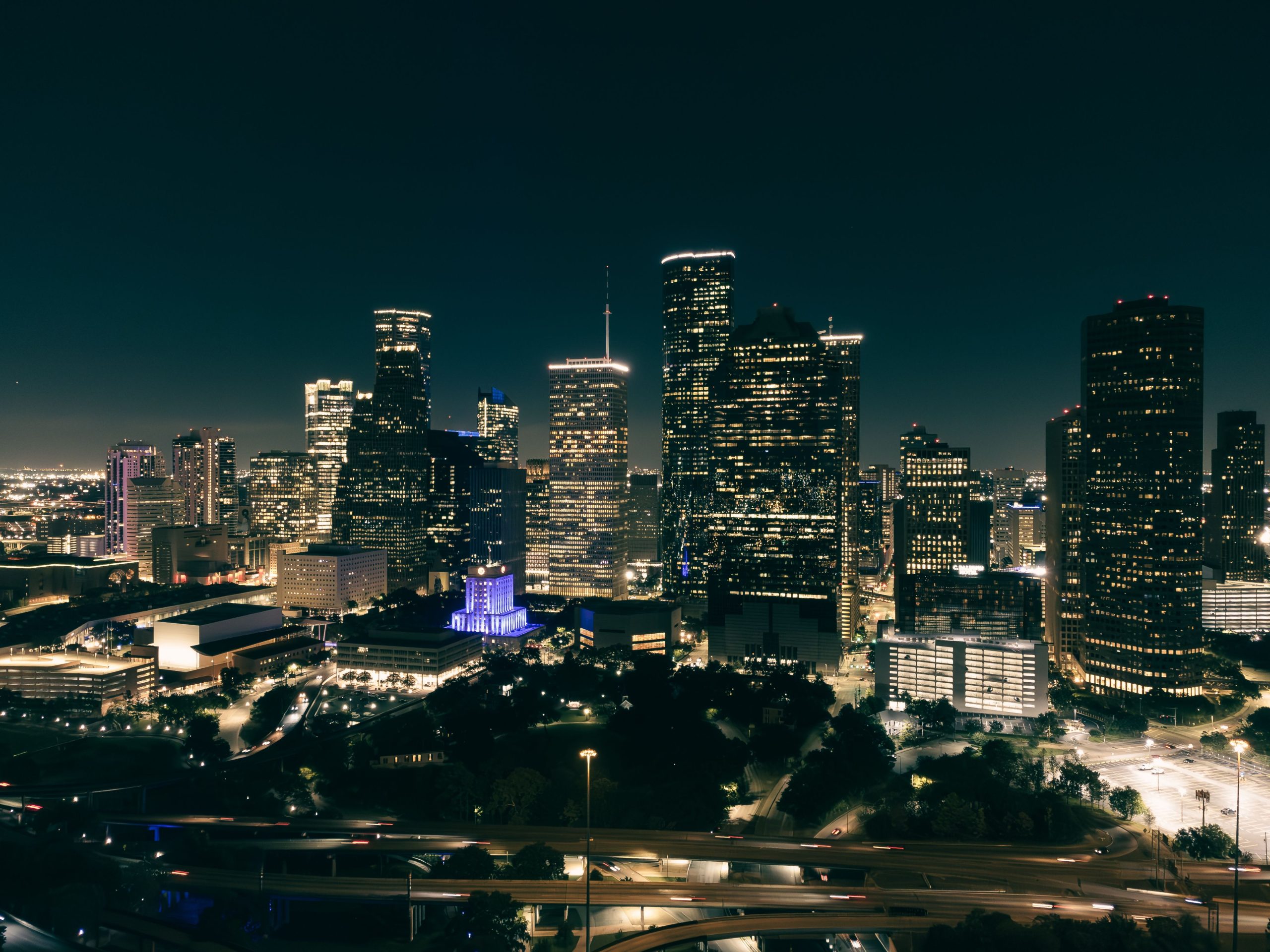
Ask ten people for a city’s best night out and you will get ten versions of the same three places: the rooftop with the skyline photo, the market with the English menu, the club the hostel recommended. None of them are bad. They are just the daytime city with the lights turned down.
The better night starts with one small mental shift. Stop treating “night” as a single block and start treating it as a set of shifts, each with its own crowd, its own food and its own geography. Get that right and an ordinary city opens up. Get it wrong and you spend the best two hours of the evening queuing for a table you never needed.
The city doesn’t run one night. It runs three.
Between roughly 6 p.m. and 9 p.m., most cities are still in family mode. Australia’s official night-time economy data, which tracks activity between 6 p.m. and 6 a.m. across 88 cities, found that the evening slot is when the largest number of venues are open, and that in most cities the peak trading nights are Thursday and Friday. That is dinner, not nightlife.
The second shift is the one tourists recognise: 9 p.m. to midnight, when the bars fill and the clubs open. It is also the shortest and the most overpriced. The third shift runs from about 11 p.m. until dawn, and it belongs to shift workers, taxi drivers, students and everyone who has just finished a late job. This is where the interesting eating happens, and almost no visitor sees it, because they are asleep or in a hotel minibar queue by then.
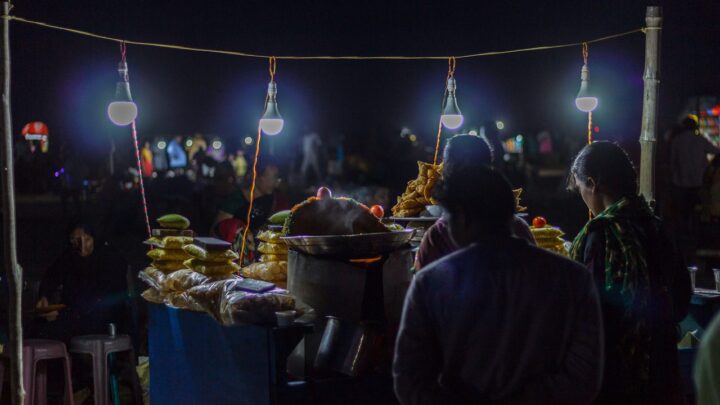
Chennai is the clearest example. Standalone bars there are required to call last orders between 10:30 p.m. and 11 p.m.; hotel bars can serve until midnight or a little later. But the city’s biryani counters run to 1 a.m., and some run to 3 a.m. To understand how that happened, The Hindu’s 2026 account of Chennai’s night economy is worth reading: pubs arrived in the 1980s, but the real change came with the IT and BPO boom of the late 1990s, when night-shift workers kept tea shops and eateries open by simply existing. The city did not decide to become a night city. Its payroll did.
Follow the shift change, not the crowd
The single most reliable rule for finding a good late-night spot anywhere is to find out where the people who work nights eat. They are awake at 2 a.m., they have limited time and money, and they have no patience for anything that is only pretty.
That is the whole story of Manek Chowk in Ahmedabad. The same square is a vegetable market at dawn, a bullion and jewellery bazaar in the afternoon, and a food court from about 8 p.m. until past midnight – 3 a.m. on busy nights. Local history traces it to the 1970s, when crowds pouring out of the cinemas that once ringed the square wanted something hot after the late show. The Indian Express’s history of Manek Chowk puts one vendor’s family at the same Mahalaxmi Dosa counter for 50 years. The pav bhaji is served with a quantity of butter that would embarrass a French chef, and the late crowd includes people finishing graveyard shifts.
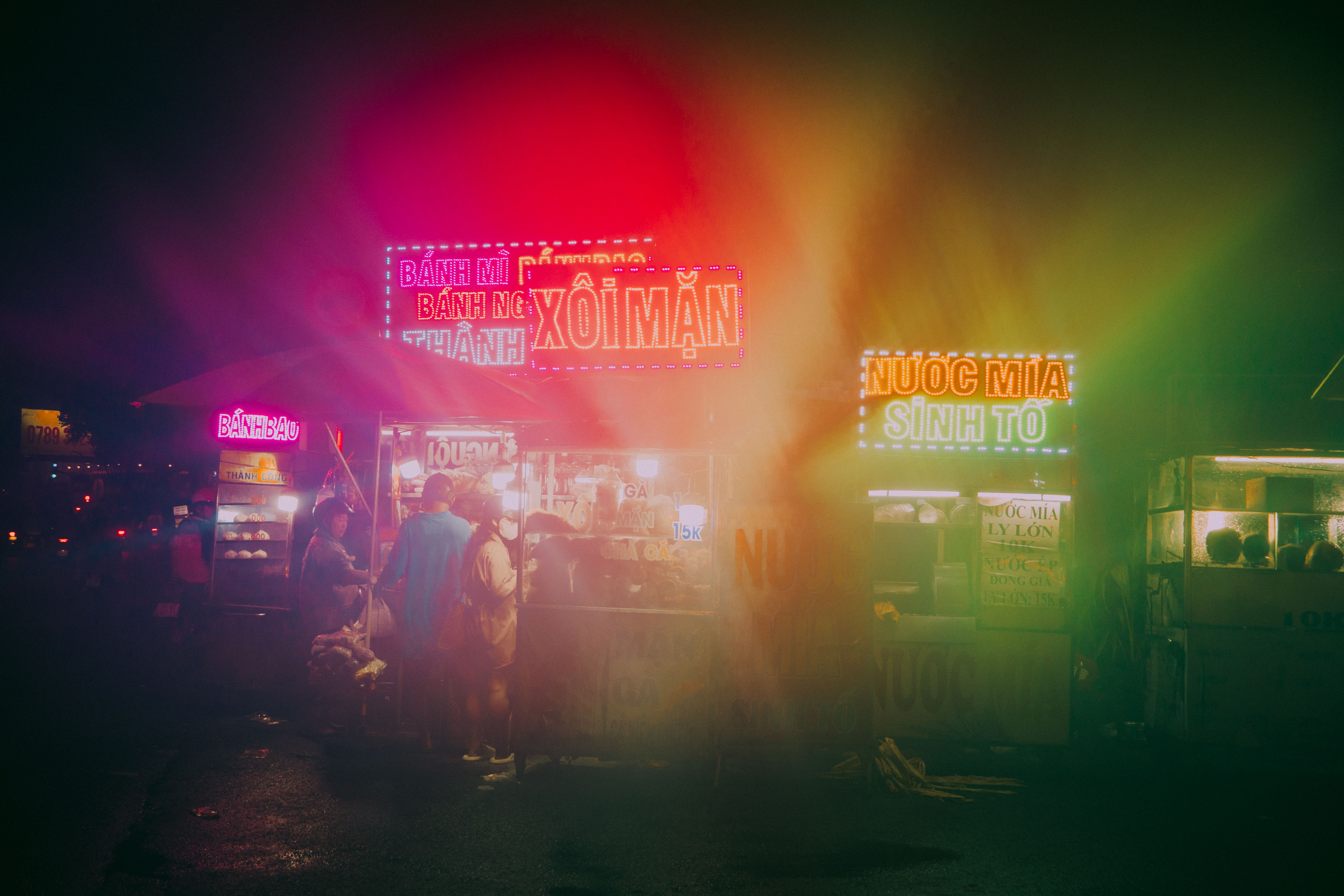
You can apply the same instinct in any city. A 24-hour laundromat, a bus depot, a hospital district and a wholesale market all generate a small reliable ring of late food. Sit near one for twenty minutes and watch where the staff walk when they get a break.
Read the opening hours before you read the reviews
Night cities differ less in what they contain than in when they close. Here is what the timings look like in five places, as of the sources listed underneath. The column worth noticing is the last one: in every city, the thing locals actually do after the bars close is food or a walk, not another drink.
| City | Peak night hours | Last call | Late food runs to | The local move |
|---|---|---|---|---|
| Ahmedabad | 9 p.m.–1:30 a.m. | No general alcohol sales (Gujarat is dry outside GIFT City) | ~3 a.m. at Manek Chowk | Street food, not bars |
| Chandigarh | 6–9 p.m. fountain shows; 10 p.m.–1 a.m. bars | Around 1 a.m. | 24/7 stalls at Night Food Street, Sector 14 | Sector 17 plaza walk plus musical fountain |
| Chennai | 7–10 p.m. | 10:30–11 p.m. standalone; later in hotels | 1–3 a.m. biryani | Food trail after the bars shut |
| Paris | 8 p.m.–2 a.m. | Many venues past 2 a.m. | Late | 600-plus venues open after 2 a.m. |
| New York | All night | Varies to 4 a.m. | 24-hour | Nightlife treated as an industry, not a nuisance |
Sources: Paris and New York figures from the Night Time Economy Report’s city data; Chennai timings from The Hindu, August 2026; Chandigarh and Ahmedabad from local guides and the Indian Express, 2023–2026. Hours vary by venue and season – recheck before you build a night around one address.
Walk one district twice instead of hopping between five
District-hopping is the most expensive mistake in a night out. You spend the evening in cars and queues, and you see each place at exactly the moment it is fullest and least friendly.
My read is that two loops around a single neighbourhood beat a five-stop itinerary almost every time. The first loop is orientation: find the closed door that looks interesting, the lit window above a hardware shop, the queue that is entirely locals. The second loop, an hour later, is when your face is no longer new and the staff start talking to you. That second loop is where the real night lives.
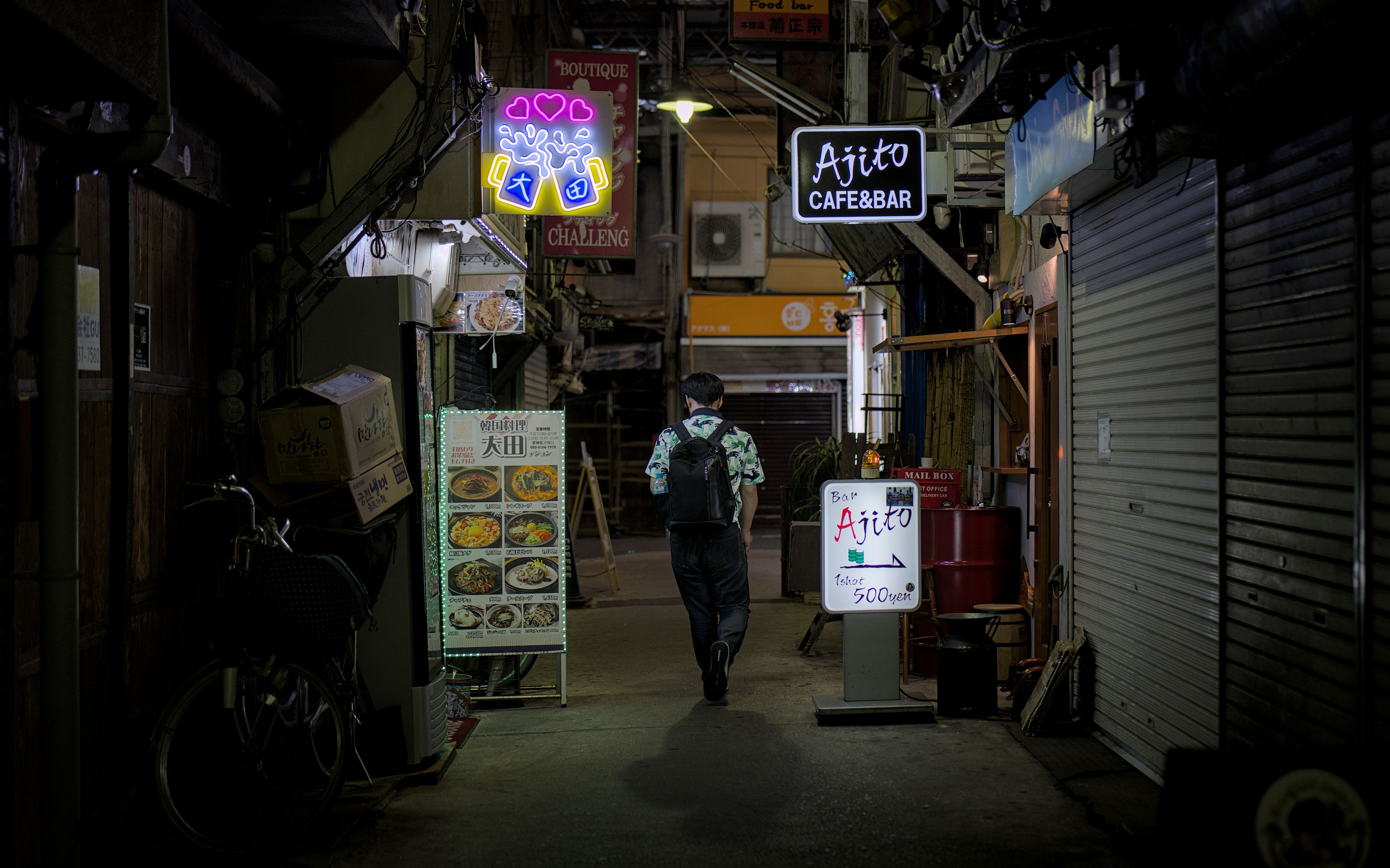
The current wave of “hidden” venues leans hard into infrastructure. Beijing’s Storage Bar sits inside a disused underground water cistern in Tongzhou, opens two days a week, and takes reservations only – it does not appear on map apps. Kuala Lumpur’s LandOn by Tatto occupies a basement beneath the old Wisma Central building on Jalan Ampang. Bengaluru’s Middle Room holds just 33 seats and was built around a record collection its founders gathered in Tokyo; the records decide the room, not the other way around. Bangkok’s Hannibal is up a corridor of massage parlours and karaoke dens above Yaowarat. The pattern is consistent: the good stuff hides in buildings that were built for something else.
Look for the room, not the stage
Live music is where tourists and locals most often end up in different buildings. The big venue with the ticketed show is fine, but the small room with a resident band and a Wednesday-night regular crowd is better, and usually cheaper.
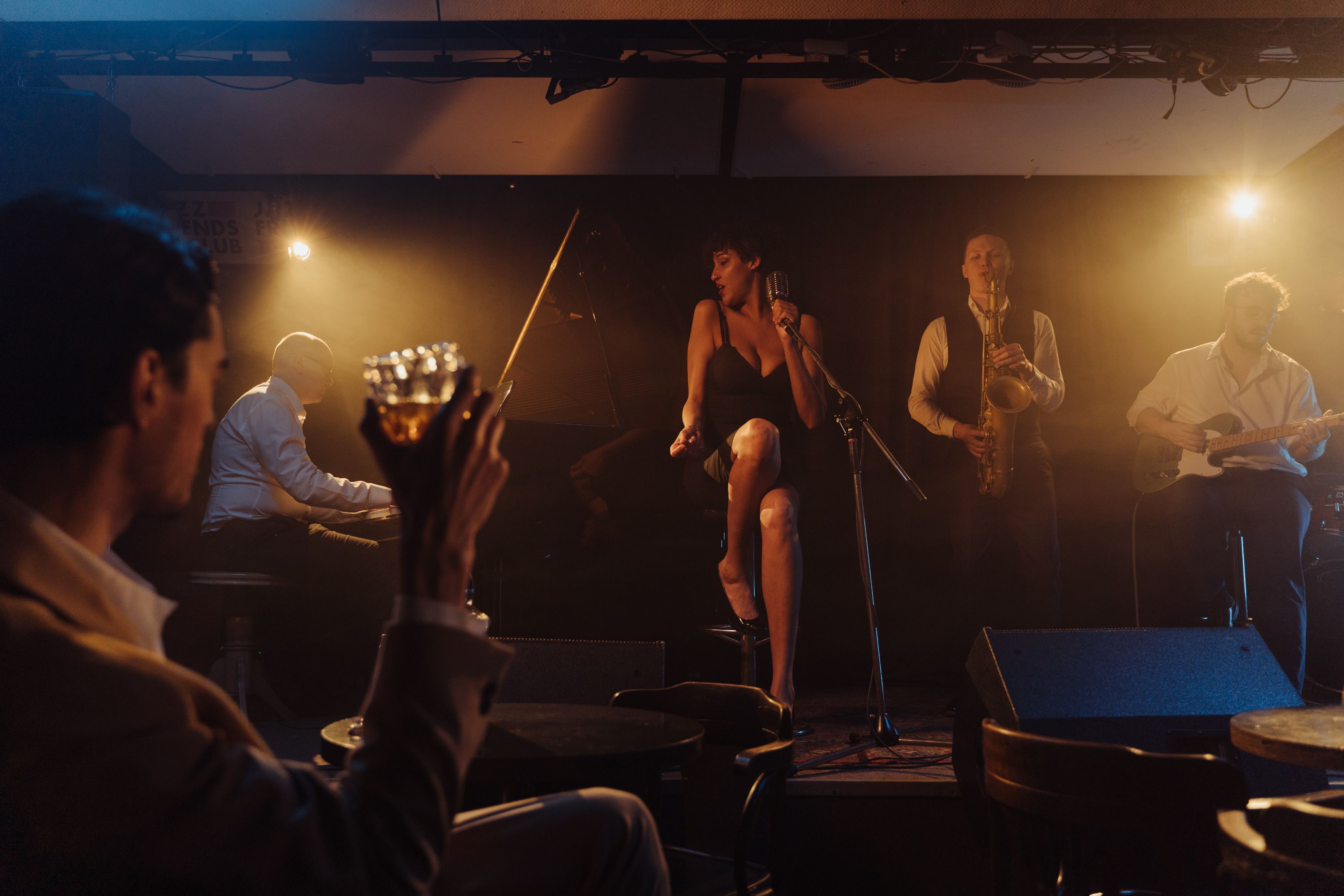
Chennai is a good place to test this. The city has a serious appetite for live music, and the interesting sets are not only in hotel bars – small venues and cultural spaces host Carnatic performances, jazz evenings and indie nights that rarely make it onto a tourist itinerary. In Nairobi, the Sebuleni collective turns a Westlands lounge into what it calls a living room: no stage separating the DJ from the floor, free entry, and a crowd that knows each other by name. Those nights are hard to find online precisely because they do not need to advertise.
The 2 a.m. third place
Every city has a version of the same useful thing: a cafe, tea stall or diner that stays open past the point where alcohol stops being a good idea. Vienna formalised the idea. Chennai runs on it – filter coffee, parotta with kurma, idli vendors setting up early enough that you can eat your way into dawn.
These places are the real safety net of a night out. They sober you up, they cluster near transport, and they are cheap. Build one into your plan before you go out, not after you are hungry and lost at 1:40 a.m.
Why “24-hour city” is not the same as “good night”
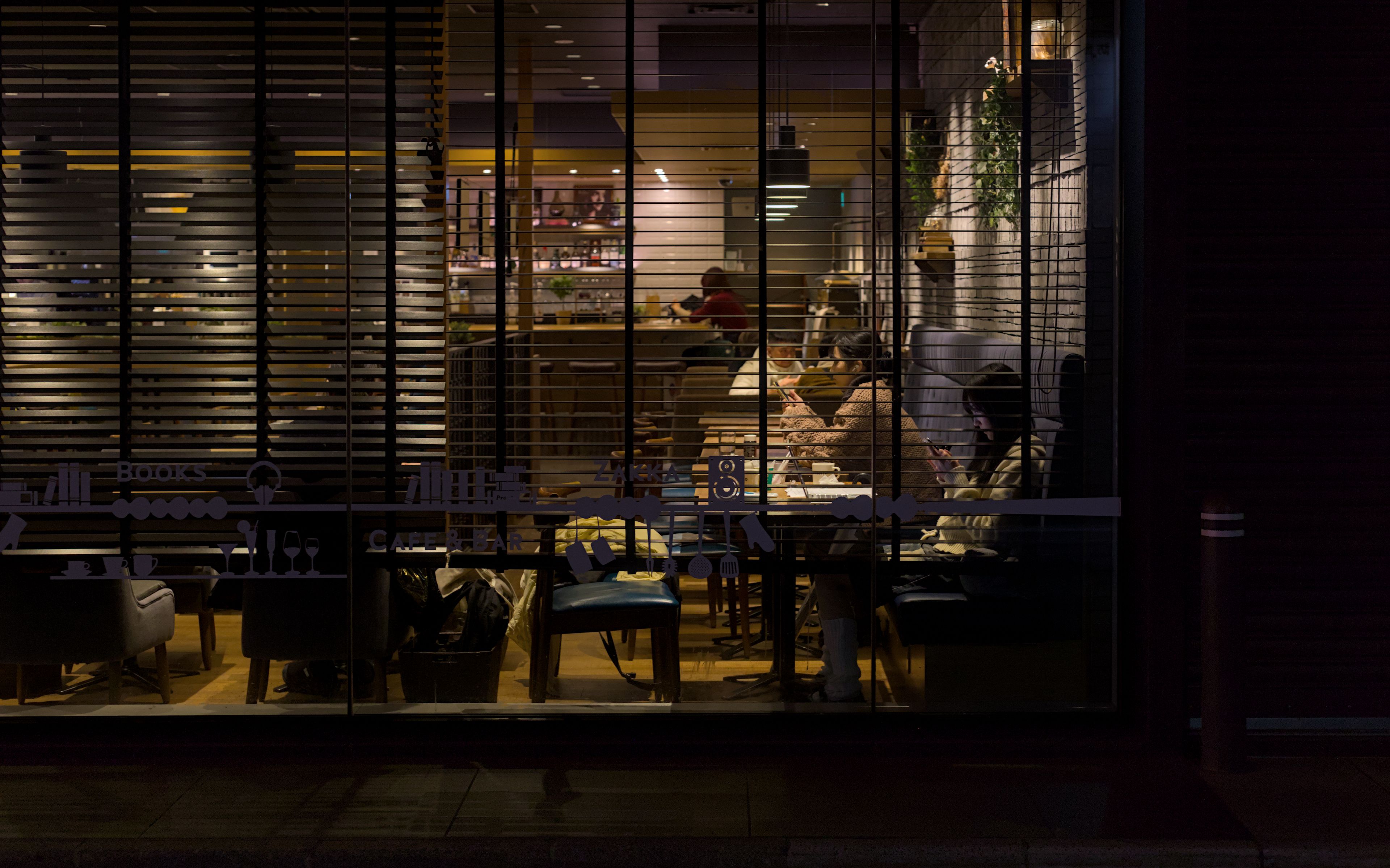
Cities have started treating the night as policy rather than as a problem. Amsterdam elected the world’s first night mayor, Mirik Milan, in 2014, and the role has since spread to nearly 100 major cities. Milan’s argument was never “more parties” – it was better ones. “What people really often forget,” he told PBS, “is when there’s a lot of people dancing, there’s a lot of people working.”
The numbers support the scale of the thing. New York’s night-time economy contributes roughly $35 billion in economic activity and supports around 300,000 jobs, and the city now runs an Office of Nightlife. Montreal’s nightlife generates about $2.26 billion in direct spending and draws 2.44 million tourists specifically for it – 22 percent of all visitors. The Night Time Economy Report’s city data is the best single place to compare these figures across dozens of cities, if you want the whole picture. Philadelphia’s 2025 impact study found that simply extending closing hours by one or two hours could add $1.5 million to $2 million a year in liquor tax alone, and the city has upgraded 120,000 streetlights to LEDs to make the walk home feel less hostile.
Not everyone is convinced. There is a real argument that promoting the night economy mostly rewards investors and tourism boards while pushing rent and noise onto the residents who live there – the World Cities Culture Report notes that night-time creative infrastructure is under constant pressure from rising costs and gentrification. And the trade-offs are genuine: in 2022 Sydney’s lockout-era restrictions had already cost clubs and jobs years earlier, while Amsterdam’s own approach came with conditions, including street staffing around venues. My read is that the night mayor model works where it also protects residents and workers, not just the bar takings, and Milan’s own figures point that way: alcohol-related violence down 25 percent and general nuisance down 30 percent in the district he worked on. Where I think the model is oversold is in small cities that hire a figurehead without granting the budget or the regulatory access to change anything.
Safety, without the scare stories
Most advice about city nights is either useless or frightening. The useful version is boring and specific. Agree on transport before you drink, not after. Use metered cabs or ride-hailing apps rather than negotiated fares after 10 p.m. Keep cash, because late-night vendors often will not take cards. Stay on the busy, lit routes even when the shortcut looks shorter. Tell someone where you are going.
Chennai is a reasonable case study in why the scare stories undersell a city. It is generally considered one of India’s safer metros in its popular areas, and the crowds at Marina Beach and Besant Nagar are exactly what make those spots feel safe. The sensible precautions are the same ones you’d take anywhere: stick to the main promenade after 10 p.m., do not wander isolated beach stretches alone, and keep your bag in front of you in crowds. The night is not a different city. It is the same one with different timings.
Ahmedabad after dark: where the city eats instead of drinks
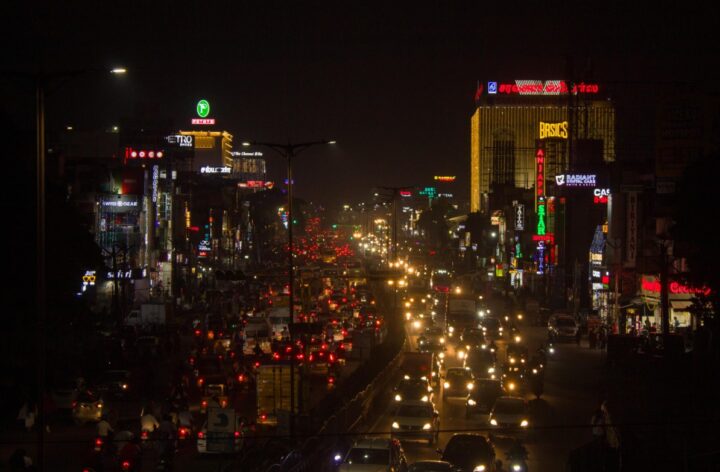
Ahmedabad is the best argument that a great night does not need alcohol. With Gujarat’s licensing rules, the after-dark economy is food, walking and late-night conversation. Manek Chowk is the anchor, but the pattern repeats – the food streets around the university area, the food truck parks along SG Highway, the heritage night walks through the old pol lanes and havelis. The city is quiet early and loud late, which is the opposite of most visitors’ assumption.
It is also a city where a lot of people arrive alone for work, and the adult social scene is part of that night economy. Listings for Ahmedabad call girls are one search away from the same guides that list the best pav bhaji, and the sensible rules are the same as anywhere: arrange well in advance, agree the details clearly and in writing, and make the first meeting somewhere public and busy.
Chandigarh after dark: the planned city’s gentle hour
Chandigarh does not do chaos. Its centre is a pedestrian plaza of fountains and arcades – Sector 17 – and in the evening it turns into a slow, well-lit gathering place, with musical fountain shows usually running around 7, 8 and 9 p.m. Shops close around 10:30 p.m.; the bars, including the live-music rooms, run to roughly 1 a.m.; and the Night Food Street in Sector 14 keeps 24-hour stalls for anyone who is still hungry. Sukhna Lake is the other half of the equation, open late for walks.
It is a city best experienced slowly, which surprises people who expect the Punjab nightlife stereotype. If you are in town for work and want company rather than a table for one, Chandigarh call girls listings serve that same after-hours market; start at a public venue such as the plaza or a hotel bar and treat the first meeting as exactly that.
Chennai after dark: the food is the nightlife
Chennai repairs the idea that a great night has to mean clubs. The city is built around food, beaches and long conversations, and its night rhythm reflects that: Nungambakkam and Alwarpet for bars, Besant Nagar and Marina for the sea air, the ECR for a night drive with the windows down, and Triplicane and Royapettah for biryani that outlasts every bar in the city. Kora Food Street in Anna Nagar draws more than 5,000 visitors a day. Kathipara’s Uptown square draws over 10,000 on a normal day and more than 30,000 on weekends, a figure that comes from a city building lighting, parking, security and metro access so that staying out past 11 p.m. feels normal.
Like the other two cities, the adult social scene runs parallel to the food scene and through the same hotel and Nungambakkam corridors the bars use. If you are arranging an evening in advance, Chennai call girls directories exist for that, and the standard advice holds: verify, meet in public first, and keep the arrangements on the record.
Frequently asked questions
Is it safe to explore a city at night as a solo traveller?
Generally yes, if you stay on busy, well-lit streets and use official transport. The riskiest part of a solo night is almost always the journey home, so sort that out before you need it. Women should still expect extra attention in some bar and beach areas, which is why hotel venues and well-reviewed standalone bars tend to be the better filter.
What time should I actually go out?
Later than dinner, earlier than you think. In most cities the local crowd arrives between 9 p.m. and 10 p.m., peaks for two or three hours, and then moves to food. If you only have one night, arrive at 9:30 p.m. and leave the plan loose enough to follow the food around midnight.
How do I find places that tourists don’t know about?
Follow the workers, not the reviews. Food near hospitals, bus depots, wholesale markets and 24-hour businesses tends to be good, cheap and open late. Ask hotel staff and taxi drivers where they eat after a shift, not where they take guests.
Do I need to drink to have a good night?
No. Some of the best night cities are barely alcohol cities. Ahmedabad maintains a full after-dark culture on street food and late walks, and Chennai’s most memorable hours are biryani, filter coffee and the beach, not the bar tab.
Are night markets open every night?
Most are, though the atmosphere and the number of stalls vary. Manek Chowk runs daily but peaks between 10:30 p.m. and midnight and gets intense on weekends and festival nights. Arrive before the peak so you can pick your stalls, then eat as they fill up.
What should I do about getting home after midnight?
Pre-book or use a ride-hailing app, and screenshot the route. In cities where late public transport is thin, a saved taxi number is worth more than a fifth recommendation from a stranger. Carry small notes for the last leg, since card readers and cash points are less reliable after midnight.
How this article was put together
I set out to answer one question: how does a visitor find a city’s real night rather than its advertised one? The timing and economic figures come from the Night Time Economy Report’s city data and the 2025 Philadelphia nighttime economy impact study, both checked while writing in September 2026, plus national statistics on Australia’s core night-time economy. City-specific hours and habits come from reporting by The Hindu (August 2026), the Indian Express (2023) and local guides for Chandigarh and Chennai. I could not independently verify every advertised closing time, so treat the table as a planning guide and recheck venues directly. Nothing here is sponsored, and the adult-service links are included as references rather than endorsements.
